
Seasonal Styling: How Plants Make Outdoor Spaces Feel Alive
Seasonal Styling: When Greenery Becomes a Beautiful Way to Live
A balcony stops being a place for storage. A terrace becomes more than a table and a few chairs. A restaurant veranda is no longer just extra seating, but part of the whole experience. People want to sit outside, linger a little longer, take a photo, have coffee in the morning, open a bottle in the evening, or simply feel that summer has arrived properly.
That feeling rarely comes from furniture alone. It usually begins with plants.
Large hydrangeas in generous planters. Olive trees that give a city balcony a quieter, more Mediterranean mood. Lavender, if the light is right. Grasses that move beautifully in the wind. Pelargoniums, herbs, evergreens, heather, seasonal flowers and textured greenery, all chosen to suit the space rather than simply fill it.
Seasonal terrace and garden styling is not about placing a few pots outside and hoping for the best. It is about creating an outdoor space that feels considered, alive and easy to spend time in.
At Leto Flowers, we design seasonal plant styling for terraces, verandas, balconies, entrance areas, rooftops, private gardens, restaurants, hotels and cafes. We work with living plants in planters, seasonal flowers, greenery and carefully chosen containers to create spaces that look beautiful not only on the day of installation, but throughout the season.

What is seasonal outdoor styling?
What is seasonal outdoor styling?
In spring, the mood is fresh and delicate: bulbs, early greenery, moss, primroses, tulips, daffodils, hyacinths and muscari. In summer, there is more room for volume: hydrangeas, pelargoniums, lavender, ornamental grasses, olive trees, herbs and lush greenery.
Autumn brings deeper tones, heather, chrysanthemums, ornamental cabbage, evergreens and beautiful dry textures. In winter, structure becomes more important: conifers, branches, soft lighting, berries and calm seasonal details.
The best outdoor plant styling never feels random. It takes into account the size of the space, the amount of sun, wind exposure, watering, foot traffic, furniture, facade colours and even the view from inside.
A beautiful plant in the wrong place will not stay beautiful for long. A more modest plant in the right conditions, with the right planter and proper care, can hold the whole composition together.
Why plants change the feeling of a space
At the entrance to a restaurant, a pair of well-kept planters quietly says: someone cares about the details here. On a private terrace, a group of plants can turn an empty corner into a place where people naturally gather. On a balcony, even one strong composition can make the whole apartment feel more connected to the season.
Plants soften hard surfaces. They make glass, concrete, stone and metal feel less severe. They add privacy without building a wall. They help hide awkward corners, technical areas or bare edges. They guide the eye, create rhythm and make the space more photogenic without making it feel staged.
For businesses, plants are also part of the guest experience. Before a guest sees the menu, speaks to the host or sits at the table, they have already formed an impression of the place. A veranda with fresh, well-styled plants feels more welcoming, more cared for and more memorable.
For residential properties, the effect is more subtle, but just as important. Plants make outdoor spaces feel inviting and lived in. They give you a reason to open the balcony door, spend time on the terrace, tend to something in the morning and feel that the season is unfolding not somewhere beyond your home, but right around you.
Restaurant verandas and cafe terraces
A restaurant veranda needs to do more than just look good — it has to function well too.
Guests should be able to move around comfortably, and waiters need clear, unobstructed paths. Plants shouldn’t snag on clothing, block walkways, drop petals onto tables, or struggle after a few hot days. In a commercial setting, neglected plants are hard to miss and can make even a great restaurant feel poorly maintained.
For restaurant terraces, we often recommend balancing structure with a softer, more natural feel. Large planters can help define the entrance, while tall grasses create subtle separation between seating areas.
The exact choice depends on conditions. A sunny veranda needs plants that tolerate heat and direct light. A shaded terrace calls for a different palette. A windy rooftop needs stable containers and plants with enough resilience. A narrow street-facing veranda needs careful planning so the styling attracts attention without blocking the space.
Good restaurant plant styling should feel effortless to the guest. Behind that ease, there is always a practical plan.
Balconies: Small Space, Big Impact
For small balconies, one well-composed plant group often works better than a line of separate containers. A larger plant gives height. A flowering accent adds seasonality. Low greenery or grasses soften the base. The result feels intentional, not like a collection of impulse purchases from a garden centre.
Balcony styling is all about proportion. The planters must fit the space. The plants should not block the door or narrow the passage. The composition should look good not only from the balcony, but also from inside the room.
Conditions matter even more in a small outdoor area. South-facing balconies can become very hot. Open balconies may be exposed to wind. Glazed balconies can behave like greenhouses in summer and become cold near the glass in winter. Before choosing plants, it is worth understanding how the balcony actually behaves during the day.
Terraces and rooftops
Small pots can disappear in a large open space. Lightweight planters may not be stable enough. Delicate plants can struggle with strong sun, wind and temperature changes. This is why rooftop and terrace styling needs stronger shapes, larger containers and a clear composition.
A good terrace is not just plants placed around the perimeter. It has zones. A seating area, an entrance point, a view, a softer corner, a visual anchor, a little privacy. Plants help define these areas without making the space feel closed.
For terraces, we often use a mix of larger structural plants and seasonal accents. Olive trees, conifers, grasses, hydrangeas in suitable positions, decorative shrubs and flowering plants can all work beautifully when chosen for the right conditions.
It is equally important to think about how the terrace looks from various viewpoints. What catches the eye when stepping through the doorway? What sits behind the sofa? What can be seen from the windows? Where are guests most likely to take photos? Seasonal plant styling should create a cohesive atmosphere throughout the space rather than focusing on a single picture-perfect view.
Backyards and country houses
At the entrance, statement planters overflowing with texture and colour can instantly create a warm, inviting first impression. On the terrace, a thoughtfully layered mix of plants can turn a dining or lounge area into a cosy outdoor retreat that feels tucked away from the world. Around a pool or patio, swaying grasses, sculptural evergreens and carefully chosen blooms can bring the relaxed atmosphere of a boutique resort. And on a newly developed plot, seasonal planting displays can add character, colour and visual interest while the permanent landscape is still finding its shape.
This doesn’t replace landscape design—it’s a flexible element that can be updated and adapted throughout the seasons.
During summer, the space can feel vibrant and abundant. As autumn arrives, richer colours and layered textures bring added depth and character. In winter, evergreen planting and carefully placed lighting help the entrance and terrace remain inviting and well maintained, even when the rest of the garden has settled into dormancy.
Plants we often use for seasonal outdoor styling
The right plant choices will always depend on the space itself, but certain varieties are particularly effective for creating a seasonal look and feel.
Spring is all about fresh starts and gentle colour. Tulips, daffodils, hyacinths, muscari, crocuses and primroses instantly bring a sense of renewal. Paired with moss, natural branches and simple planters, they create arrangements that feel light, elegant and full of optimism.
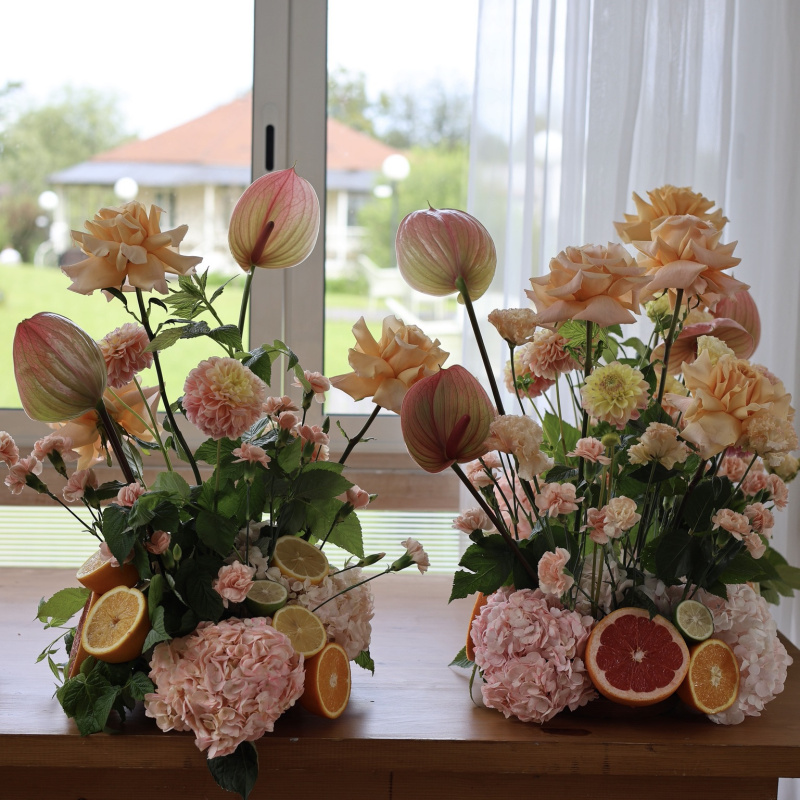
In summer, planting becomes more abundant and expressive. Hydrangeas add softness and volume, while pelargoniums bring vibrant colour and impressive resilience. Lavender introduces a relaxed Mediterranean character when grown in sunny spots. Petunias and begonias provide generous blooms throughout the season, and coleus offers striking foliage colour. Ornamental grasses add texture and movement, making terraces and verandas feel especially dynamic. For structure and year-round presence, olive trees, laurel, conifers and ornamental shrubs are excellent choices.
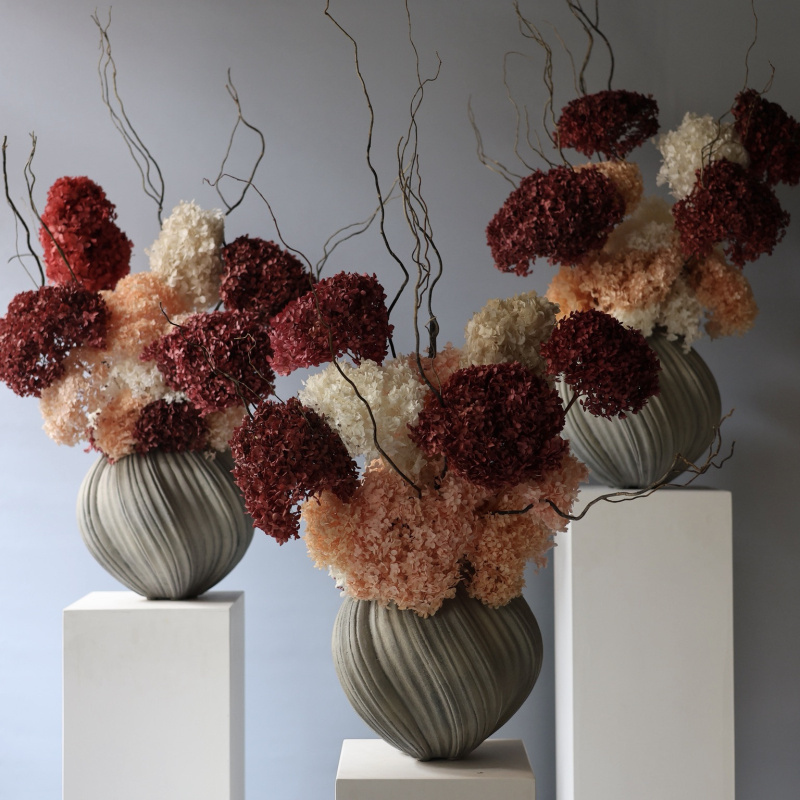
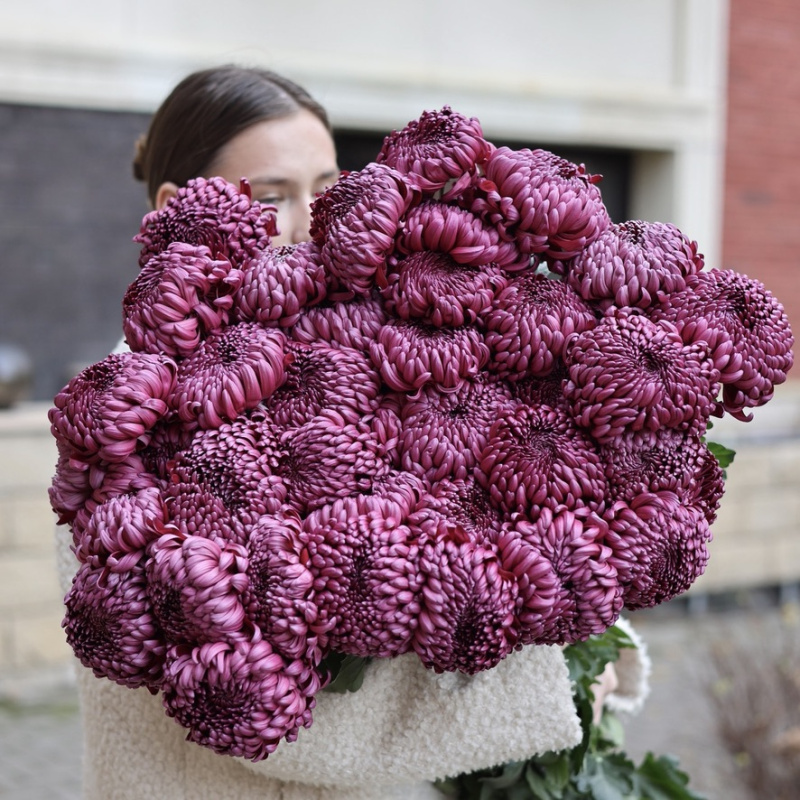
Autumn offers far more possibilities than many people realise. Heather, chrysanthemums, ornamental cabbage, grasses, evergreens and decorative branches create depth and richness, particularly when combined with shades of plum, burgundy, copper and deep green. The most sophisticated autumn displays go beyond the traditional pot of chrysanthemums by the front door and embrace a more layered, curated approach.
Winter shifts the focus from flowers to form. Conifers, sculptural branches, berries, pine cones, atmospheric lighting and beautifully chosen planters can keep an entrance, terrace or courtyard feeling inviting throughout the colder months. Winter styling does not have to feel overtly festive; often, the most striking spaces are those that remain understated, architectural and naturally green.
Trust Leto Flowers with your seasonal planting and outdoor styling.
How Leto Flowers works
- We begin with the space.We look at the light, wind, scale, routes, furniture, facade, view and practical limits. For a restaurant, we consider guest flow and service. For a balcony, we look at proportion and safety. For a garden or terrace, we consider the house, the existing landscape and the way the space is used.
- Plants & vibesWe explore the atmosphere you want to create as well as consider how it should be experienced or percieved. From there, we carefully select the plants and planters that will bring that vision to life. Beauty is essential, but so is longevity.
- Layouts & visualisationsWhen needed, we develop layouts and visualisations that reveal the full concept before it is realised. Every detail is considered: the placement of planters, the rhythm of heights and textures, the balance of colour and greenery, and the focal points that give the space its character.
- InstallationOnce approved, we handle delivery, installation and styling on site, ensuring everything comes together seamlessly.
To keep the space looking its best, we provide tailored care guidance and can also arrange ongoing maintenance.
Plant Care and Maintenance: Best Discussed Up Front
Plant Care and Maintenance: Best Discussed Up Front
Routine maintenance includes watering, removing dead leaves and faded flowers, checking soil conditions, rotating plants when necessary, and replacing any that no longer look their best. During hot summer months, plants may need more frequent watering than expected. Windy balconies can cause soil to dry out quickly, while plants in smaller containers are generally more sensitive to changing conditions. Shaded areas come with their own challenges, such as overwatering, poor growth, and fewer blooms.
For commercial properties, regular maintenance is usually the most practical solution. Restaurant and hotel staff already have plenty of responsibilities, and plant care often falls to the bottom of the list during busy service hours. Guests, however, tend to notice details such as dry leaves, fallen petals, leaning planters, empty spots where plants have died, or arrangements that no longer look fresh and inviting.
For private clients, maintenance can be tailored to individual needs. We can provide clear care guidelines, schedule regular maintenance visits for larger or more complex installations, or arrange seasonal refreshes as needed. This helps keep the planting design looking healthy and well maintained without adding another task to your routine.
How to know the styling is a success
Good seasonal styling does not look like a plant display. It does not announce itself too loudly. It simply makes the place feel complete.
A restaurant veranda becomes more inviting. A balcony feels like part of the home, not an afterthought. A terrace gains atmosphere. A garden gets seasonal depth. An entrance begins to feel cared for before anyone even steps inside.
People want to sit there. Stay a little longer. Take a photo. Open the balcony door in the morning. Water the lavender, even if they never thought of themselves as that kind of person.
This is the sign that the styling has achieved its intended effect.
FAQ
You may also like